
| Dates of production | October 1967 to December 1971 (Victor) |
| March 1968 to December 1971 (Ventora) | |
| October 1968 to December 1971 (VX4/90) | |
| Body types | 4-door saloon and 5-door estate |
| Engines | 1599cc (72bhp) 1975cc (88bhp) 1975cc twin carb (104bhp) 3294cc (123bhp) |
| Fuel consumption (test overall) | 27mpg (Victor 1600) 23mpg (VX4/90) 20mpg (Ventora) |
| Top speed | 89mph (Victor) 97mph (VX4/90) 103mph (Ventora I) 106mpg (Ventora II) |
| 0-60 time | 19.3 sec (Victor 1600) 15 sec (Victor 2000) 13.2 sec (VX4/90) 1.8 sec (Ventora) |
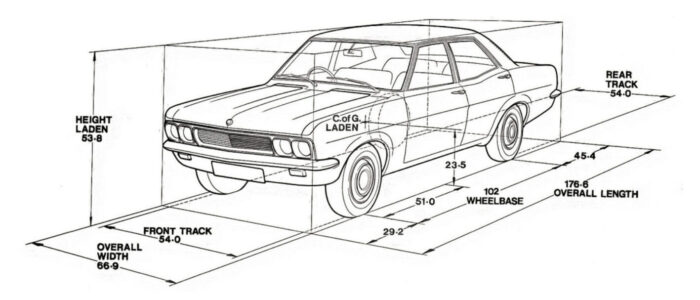
| Dimensions | Length 14ft 9in Width 5ft 7in Height 4ft 4in |
| Kerbweight | 2320 lb (1600 saloon) 2460 lb (1600 estate) 2350 lb (2000 saloon) 2490 lb (2000 estate) 2698 lb (3300 estate) 2396 lb (VX4/90) 2553 lb (Ventora) |
| Price at launch | £819 2s 4d (Victor 1600) £910 1s 6d (Victor 2000) £1101 (Ventora) £1203 8s 1d (VX4/90) |
| Number produced | 198,085 (Victor and Ventora) 14,277 (VX4/90) |